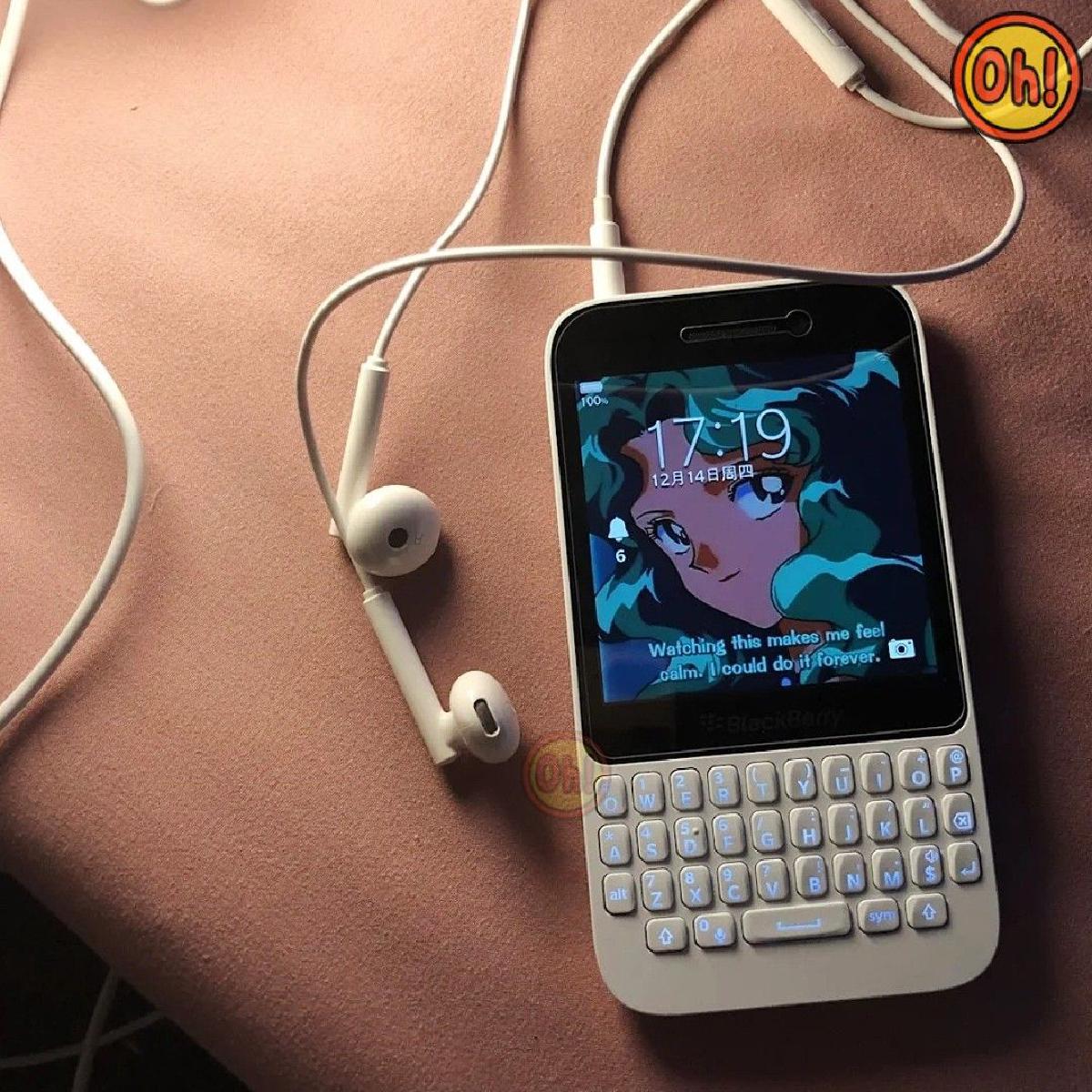
A decade ago, around 2015-2016, India experienced a massive smartphone boom. With the launch of Reliance Jio in September 2016 offering affordable (initially free) 4G data, smartphone adoption surged dramatically. We went from roughly 17-20% penetration to over 30% in just a few years. By 2019, India had surpassed the United States to become the second-largest smartphone market in the world (in terms of annual shipments), shipping around 158 million units that year.

The images above capture the excitement of the Jio launch era, when cheap data and devices flooded the market, connecting millions overnight.
But the shift from feature phones to smartphones, combined with nearly unlimited cheap internet, came at a cost. People began reading less, became chronically online, and living without internet started to feel like imprisonment.
The most affected were the youth like me who were often not yet working professionals with fewer responsibilities. As young, impressionable individuals, anything that triggered our senses was eagerly embraced, and smartphones packed with social media delivered a never-ending stream of dopamine hits.
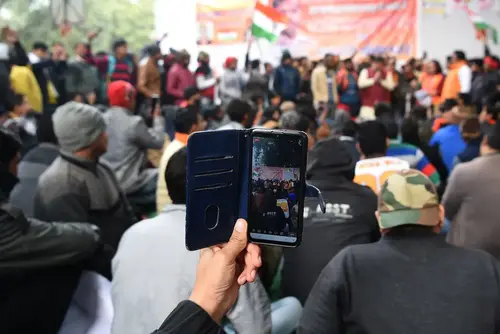
These photos from the late 2010s show how deeply smartphones embedded themselves in daily life, especially among young Indians during the post-Jio surge.
Soon, we saw a decline in traditional hobbies: reading books, playing sports, pursuing personal interests, and bonding with friends in person (without phones glued to our hands). Instead, there was a huge spike in passive content consumption like, movies, Netflix, anime, K-dramas, you name it; we’d binge-watch for hours. The irony of this generation is that we often know more about the lives of strangers or fictional characters than our own, simply because that’s what filled our screens.
Social media has become so deeply ingrained in our daily lives that it’s practically invisible. Most of us don’t pause to question it, and you can’t change something you don’t even recognize as a problem.
Today, people of all ages have significantly diminished their capacity for critical thinking, as much of their worldview is shaped by curated feeds on social channels. When your days are spent consuming others’ thoughts, you end up with none of your own.
Why Young Indians Are Ditching the Digital Overload#
But this trend is shifting and rapidly among people in my age group, roughly 20-35. The same generation that grew up with smartphones from a young age is now growing tired of them. Key reasons include constant overstimulation, disrupted work-life balance, Dark tactics, Privacy concerns, and the enshitification of social media platforms (declining quality as they prioritize profits over user experience). Whether it’s one of these factors or a combination, they’re driving many to intentionally reduce smartphone use or ditch excessive habits.
These individuals are waking up to the reality that they’ve been living vicariously through others’ highlighted lives. They’re reflecting on the years lost to endless scrolling and what they could have achieved with that time and energy instead. After all, people in this age bracket still have youthful energy and ambition to build something meaningful. When that realization hits, any thoughtful person naturally takes steps to course-correct.
Additional drivers include growing awareness of mental health impacts, with links to anxiety, depression, and addictive behaviors prompting detoxes. Desire for deeper focus pushes many toward real-world pursuits like hobbies and exercise. Nostalgia for simplicity fuels the rising “dumb phone” trend, feature phones with basic calls and texts, offering long battery life and freedom from apps.
In India, while the dumb phone market remains niche compared to smartphones, global trends influence urban youth, with Nokia feature phones still popular in rural areas. Gen Z and millennials report burnout from performative online lives, shifting to mindful, low-tech habits for authenticity.


These images are from r/dumbphones, mostly shared by youngsters who’ve made the switch.
Many are reclaiming time for offline joys: reading physical books, outdoor sports, and face-to-face bonding.
Balancing Connectivity and Well-Being#
As of 2025, India’s smartphone penetration hovers around 55-60% of the population, with over 800 million internet users. Yet, this saturation coincides with a counter-movement toward digital minimalism. Concepts like “dopamine detox” and screen-time limits are gaining popularity, inspired by global figures and local influencers advocating balance.
This isn’t about rejecting technology entirely but using it intentionally. Many of these people report improved mood, relationships, creativity, and energy after cutting back. This is something all of us can look into especially parents and teachers. Help the children not be addicted to their phones
The Jio revolution democratized access, empowering education, e-commerce, and entrepreneurship. But now, a very few from the same demographic are leading a mindful correction, proving that awareness and choice can reclaim our lives from the screen.
In the end, smartphones connected us to the world but disconnected us from ourselves. The youth driving this change are not anti-tech; they’re pro-life, choosing presence over pixels, depth over distraction.
Citation#
- A meta-analysis of Indian studies reports smartphone addiction prevalence around 39–44% among teenagers.
- An Indian cross-sectional study found a 64.6% prevalence of smartphone addiction among adolescents aged 15–19.
- One Indian Journal of Psychiatry sample found stress reported by ~46%, anxiety ~41.9%, and depression ~37.6% in youth who used social media heavily.
- An engineering journal article citing work by Hale and Guan connects smartphone addiction with FOMO, anxiety, and disrupted sleep patterns.